
Buying a home is only the beginning. Here’s what years of homeownership have taught me about the financial, physical, and emotional cost of caring for a home – and why I’d still choose it again.
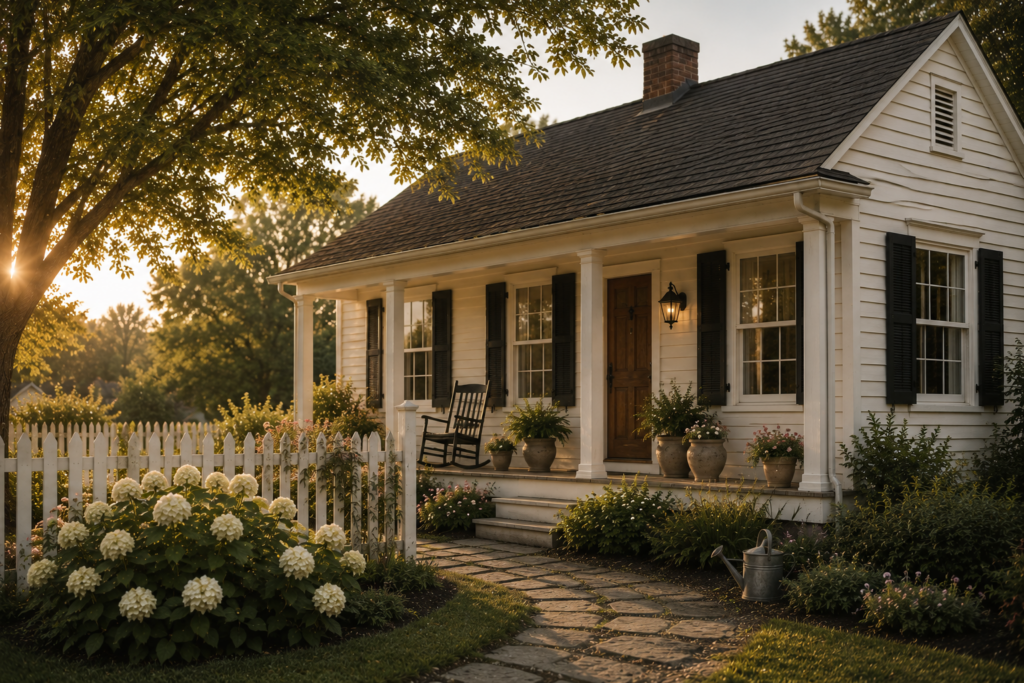
No one hands you a manual at the closing table.
They give you the keys. They congratulate you. They wish you well.
But no one tells you what comes next.
No one explains that paying off the mortgage doesn’t mean you’ve finished paying for your home. They don’t tell you that one day you’ll hear an unfamiliar noise coming from the furnace and silently hoping its not an expensive bill. They don’t tell you that roofs eventually wear out, water heaters fail, driveways crack, and trees sometimes come down after a storm.
Most of all, they don’t tell you that owning a home is about much more than making a monthly payment.
I know that feeling because I’ve lived it.
When we were first starting out, money was tight. An unexpected repair didn’t just affect our budget – it affected me physically. If something broke, I felt sick to my stomach because my mind immediately went to one question.
How are we going to pay for this?
Looking back now, I realize it wasn’t really the repair that frightened me. It was knowing we weren’t prepared for it.
That season changed the way I think about homeownership. Today, I no longer believe the biggest cost of owning a home is the mortgage payment. It’s everything that comes after.
Homeownership Doesn’t End When the Mortgage Does
Paying off a mortgage is a tremendous accomplishment. For many families, it’s one of life’s biggest financial milestones. But I’ve learned it isn’t the finish line. It’s simply the point where your relationship with your home changes.
The monthly payment may end one day, but the responsibility of caring for your home never really does. Homes ask something of us year after year. They require our attention. Our time. Our planning. Our savings.
Once I accepted that, I stopped seeing home maintenance as an interruption and started seeing it as part of homeownership itself. Instead of asking, “Why is something always breaking?” I began thinking, “This is simply part of caring for a home.” That change in perspective made homeownership feel less frustrating and much more realistic.
What Most First-Time Homebuyers Forget to Budget For
When you’re buying your first home, it’s easy to focus on the down payment and monthly mortgage payment. Those are certainly important – but they’re only one part of the picture. Many first-time homeowners are surprised by the costs that continue long after moving day.
Some of the biggest include:
- Property taxes
- Homeowners insurance
- Roof replacement
- Furnace or air conditioner repairs
- Water heaters
- Kitchen appliances
- Plumbing repairs
- Electrical work
- Driveway repairs
- Decks, porches, and fences
- Tree removal
- Lawn equipment and tools
- A maintenance fund for the unexpected
Many financial experts recommend setting aside 1-3% of your home’s value each year for maintenance and repairs. That doesn’t mean you’ll spend that amount of money every year. Some years you’ll spend almost nothing. Other years it may seem as though everything decides to happen at once – a roof, furnace, or several appliances within months of each other.
The goal isn’t to expect the worst. The goal is to expect reality. Preparing for those seasons won’t prevent repairs from happening, but it can keep them from becoming financial emergencies.
A Home Doesn’t Just Cost Money
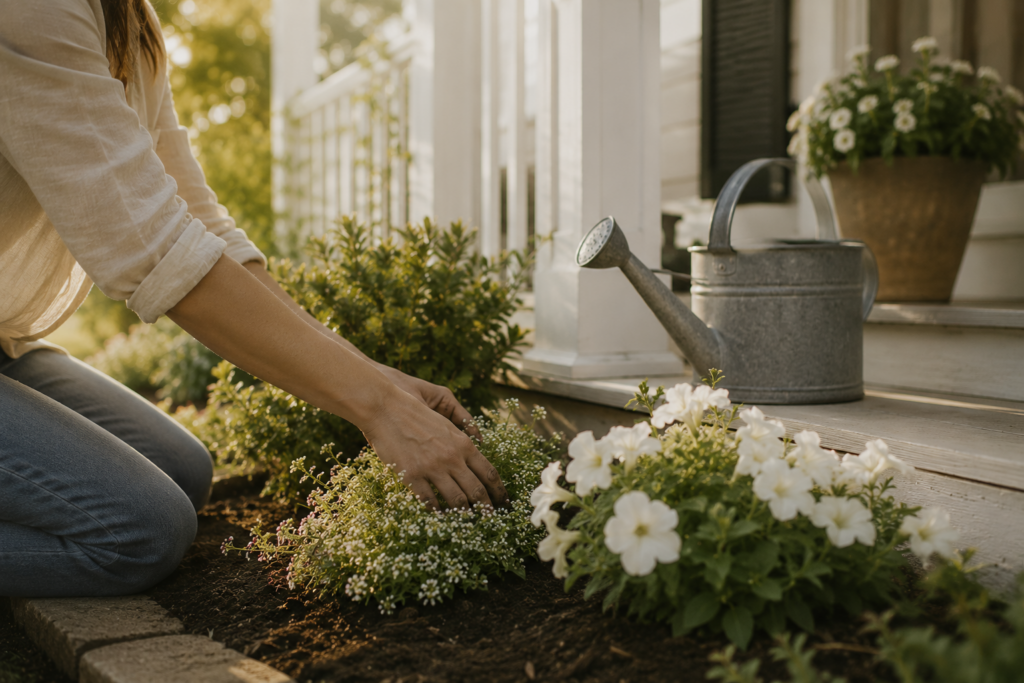
One of the biggest surprises for me wasn’t the financial cost. It was realizing how much time and effort a home quietly requires.
The grass keeps growing. Leaves keep falling. Snow keeps coming. Filters need changing. Paint eventually peels. Caulk dries out. Little repairs become bigger repairs if we ignore then for too long. There’s always something asking for your attention.
Owning a home isn’t simply a financial commitment. It’s a stewardship commitment. Stewardship isn’t about having the best home – it’s about faithfully caring for the home you’ve been given.
Our homes shelter us through storms. They become the backdrop for everyday life-the ordinary moments, the family memories, and the quiet routines that eventually become the story of a life well lived. They deserve our care, not because they have to be perfect, but because they’re where life happens.
The Hidden Cost No One Talks About
There was another cost of homeownership that no one warned me about: the emotional cost.
When money was tight, every repair carried a weight that went far beyond dollars. If the furnace sounded different , I worried. If the washing machine leaked, I worried. If the truck needed repairs the same month as the house, I worried even more.
Living that way is exhausting. You’re constantly waiting for the next thing to go wrong. It becomes difficult to enjoy the home you’ve worked so hard for to build because you’re always wondering what it will cost next.
I don’t think people talk about that enough. They’ll tell you how much a new roof costs. They’ll tell you what a furnace costs. But very few people talk about what it feels like to carry that worry.
Over time, though, something changed. Not overnight – little by little. We started saving what we could. Sometimes it wasn’t much, but it was something. We learned patience. We stopped trying to own more than we could comfortably maintain.
And for us, that wasn’t just a financial decision. It becomes a physical one, too. As we’ve gotten older, every room needing cleaning, every flower bed needing weeding, driveways needing shoveling, every repair taking time and energy – those things matter more. Owning more isn’t always better if it leaves you too exhausted to enjoy it.
Preparing for repairs didn’t eliminate unexpected expenses. But it gave us something I didn’t have when we were younger: peace of mind.
What Every Home Requires
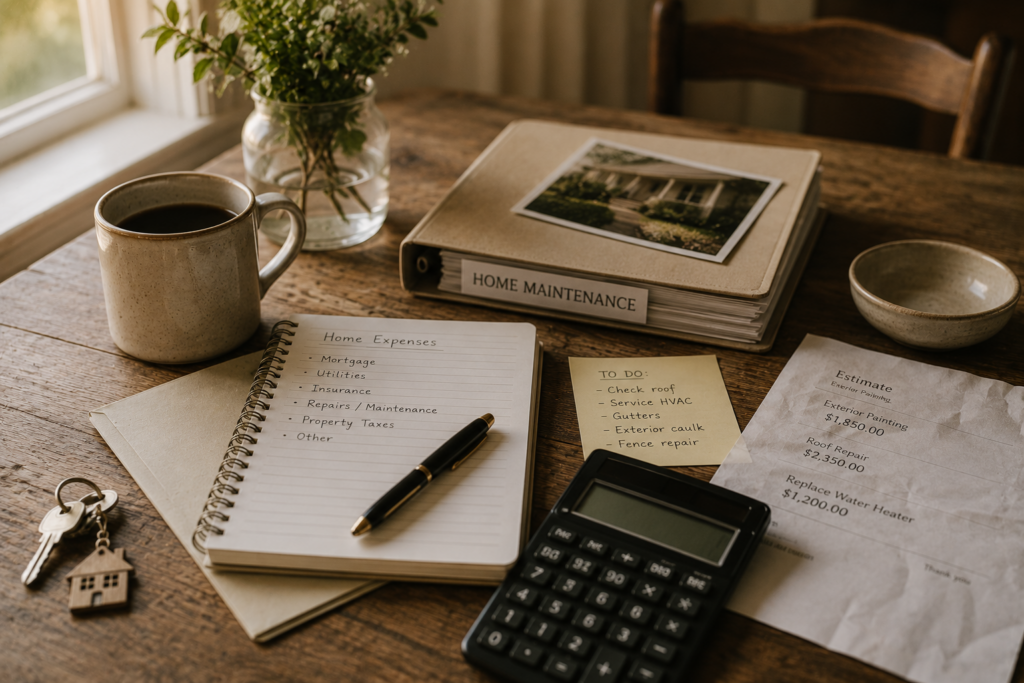
As we’ve gotten older, I’ve realized something I wish someone had told us years ago. Every home requires more than money. It requires time. It requires physical effort. It requires attention.
When we were younger, I mostly thought about whether we could afford the monthly payment. Today, I ask different questions:
- Can we comfortably maintain this home?
- Can we physically care for it as we get older?
- Will we still enjoy living here ten or twenty years from now?
- Will owning this home allow us to save for the future, help our family when needed. and enjoy life without constantly worrying about the next repair?
I’ve learned that a home should support your life. Not consume it.
There is a quiet freedom that comes from living in a home you can faithfully care for. It may never be the biggest house on the block. It may never be in a magazine. But if it provides shelter, peace, and a place for your family to build a life together, it’s doing exactly what a home was meant to do.
Think Like a Steward
One of the biggest lessons homeownership has taught me is to stop seeing repairs as interruptions. They’re simply part of owning a home.
Instead of asking, “Why is this happening?” I now ask, “How can I prepare for this next time?” That simple change has transformed the way I think about homeownership.
Roofs don’t last forever. Furnaces eventually wear out. Water heaters fail. Trees grow old. Appliances break. That’s not failure on your behalf. That’s just what happens.
Little by little, we’ve learned to plan ahead. We save what we can. We take care of small problems before they become larger ones. A well-run home isn’t maintained through luck – it’s maintained through small, faithful habits repeated over time.
A Different Way to Measure the Cost of Homeownership
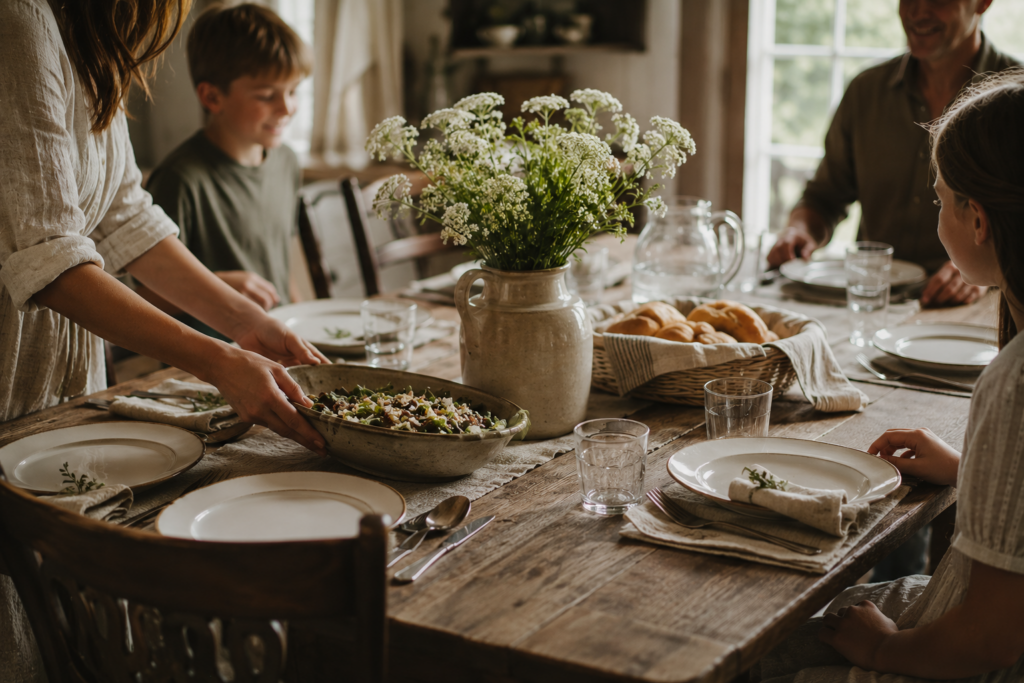
The longer I’ve owned a home. the more I’ve realized that the true cost of homeownership isn’t measured only in dollars. It’s measured in the care, time, and responsibility we’re willing to invest in the place we call home.
When we understand that, we stop chasing the biggest house we can buy and start building a home we can faithfully care for through every season of life. To me, that’s what wise homeownership looks like.
Not a perfect house. Not a beautifully styled house. Not even a paid-off house. A home that serves people living inside it instead of becoming a constant source of financial or physical stress. That’s a home worth building.
Final Thoughts
Homeownership can absolutely be one of the best investments a family makes. It offers stability, security, and a place where everyday life unfolds. It’s where meals are shared, traditions are passed down, ordinary moments become treasured memories, and families build a life together.
But it’s also important to see it for what it is. A home is more than something we purchase. It’s something we’re entrusted to care for. The mortgage may end. The responsibility won’t.
That’s why one of the wisest financial decisions you can make isn’t necessarily buying the biggest home you can afford. It’s choosing a home you can comfortably maintain, repair, and enjoy without constantly living under financial pressure.
If you’re already a homeowner, don’t let this discourage you. Instead, let it encourage you to think ahead. Set aside what you can for future repairs. Learn a few basic home maintenance skills. Take care of small problems before they become expensive ones. Remember the consistent care almost always costs less than deferred maintenance.
Most of all, don’t measure success of your home by its size or appearance. Measure it by how well it serves the people who live there.
Because a well-run home isn’t built through perfection or endless upgrades and spending. It’s built through ordinary stewardship – planning ahead, caring for what you have, and making thoughtful decisions year after year.
Your home doesn’t have to impress everyone else. It simply needs to serve the people who call it home.
From my hearth to yours, Becky
Simple, practical homemaking for real life.
Love Practical Homemaking for Real Life?
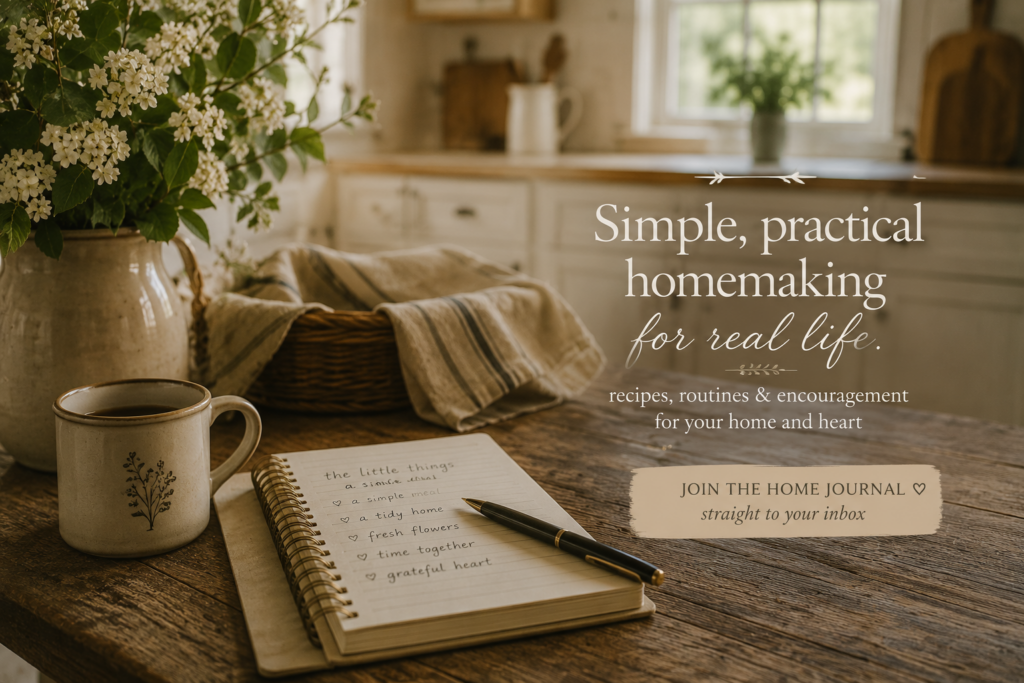
If you’re building a home on a real budget-not a Pinterest-perfect one-I think you’ll feel right at home here.
Every Friday I send The Home Journal, a simple weekly letter filled with dependable recipes, practical homemaking ideas, seasonal inspiration, and encouragement for caring well for the home you already have.
No perfection.
No pressure.
Just thoughtful ideas to help you build a home that serves your family well.
Join the Home Journal and let’s build a home worth coming home to-together!
Leave a Reply