
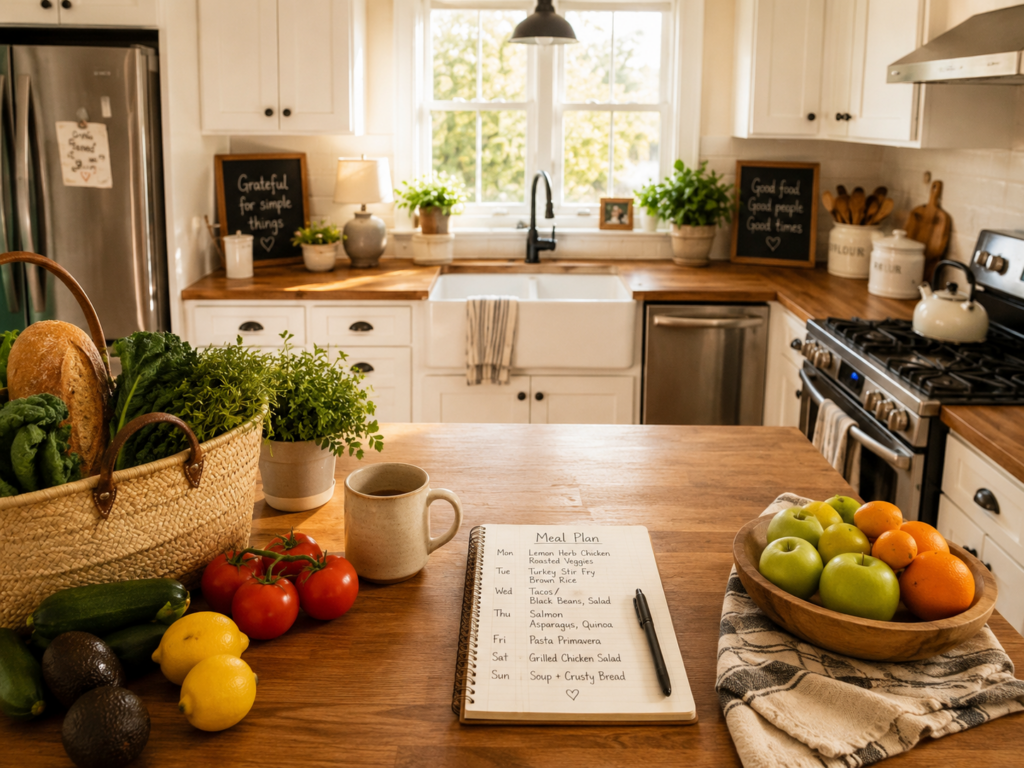
Food prices are rising, and many families feel it every time they walk into the grocery store. Meals that once felt manageable suddenly cost far more than expected, and households everywhere are realizing that constantly relying on convenience foods, takeout, and last-minute shopping is becoming harder to sustain.
But smart meal planning is not about panic.
It is not about extreme couponing, complicated systems, or spending all day in the kitchen.
It is about building a kitchen that works.
A well-run home does not depend on gourmet ingredients or expensive grocery hauls every week. It depends on practical systems that help a family eat well without wasting money, food, or energy.
The New Homemaking Priorities: How to Create a Well-Run Home in Harder Times
Modern Grocery Shopping Has Trained Families to Think Short-Term
Many households are buying food for tonight instead of building kitchens that can feed well all month long.
Modern grocery culture encourages constant convenience:
- Last-minute dinners
- Individually packaged foods
- Impulse purchases
- Shopping without a plan
- Buying the same expensive items every week out of habit
But reactive shopping almost always costs more.
When people wait until they are exhausted, overwhelmed, or completely out of food before thinking about dinner, they usually end up paying premium prices for convenience.
Smart meal planning starts before dinnertime.
It starts with building a home that can absorb rising food costs without constant stress.
That means:
- keeping staple ingredients on hand
- paying attention to sales
- planning meals ahead
- using what you already have
- treating grocery shopping like household management instead of entetainment
These skills may seem old-fashioned today, but they create stability in a time when many families feel financially stretched.
Build a Real Working Pantry
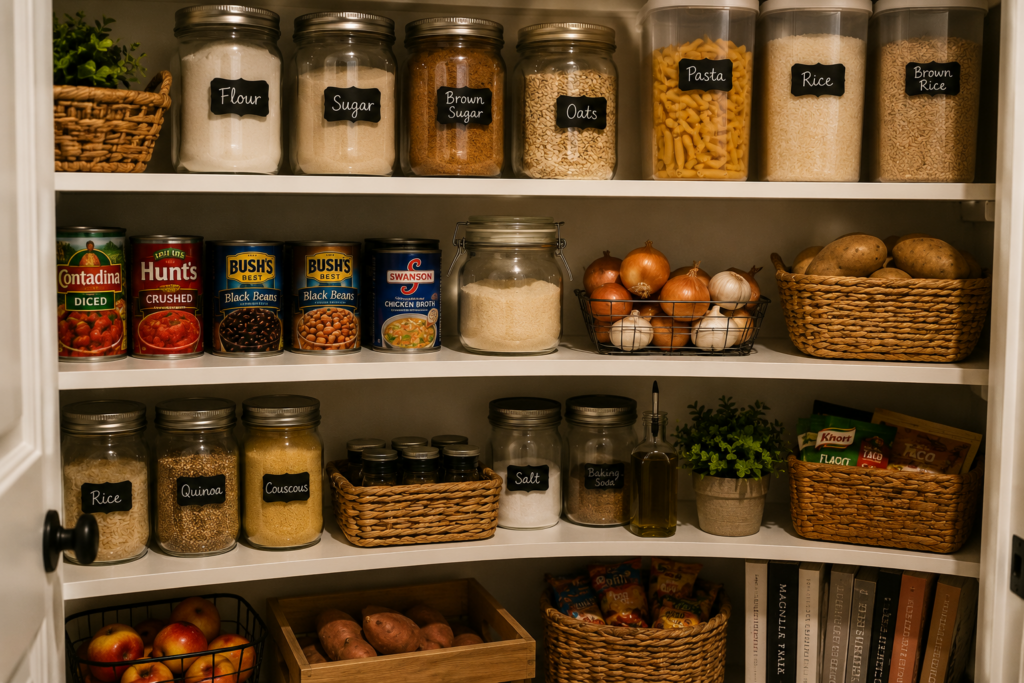
A real pantry is not a collection of snacks and random sale items.
A working pantry contains practical foods that combine into many meals.
This is one of the smartest things a homemaker can build during expensive grocery seasons.
A strong pantry often includes:
- rice
- oats
- flour
- pasta
- canned tomatoes
- broth
- potatoes
- onions
- garlic
- dried or canned beans
- frozen vegetables
- butter
- cheese
- eggs
- meat purchased on sale and frozen
These foods may not look glamourous online, but they create flexibility.
A real pantry lowers grocery stress because dinner is already partially or fully in the house.
Instead of starting from zero every night, you already have the foundation for soups, casseroles, skillet meals, pasta dishes. chili, breakfast-for-dinner, and simple homemade comfort food.
How to Feed Your Family Well on a Tight Budget
Shop Sales Like a Homemaker, Not a Consumer
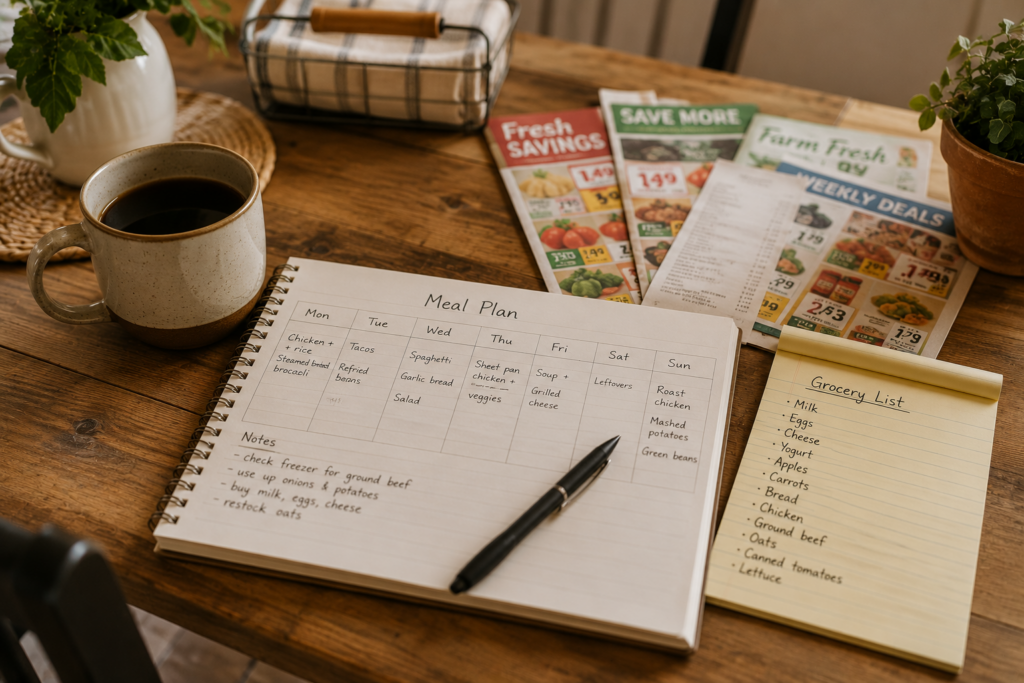
One of the smartest ways to lower grocery costs is to stop deciding meals first and start looking at prices first.
Previous generations understood this naturally.
If chicken was on sale, they built real meals around chicken.
If potatoes, cabbage, pasta, or seasonal produce were inexpensive that week, those foods became part of the meal plan.
Today, many people shop by craving instead of strategy.
That makes food budgets far more difficult to manage.
Instead:
- Stock up when prices are low
- freeze extra meat
- rotate pantry items
- use seasonal produce
- buy enough during sales to create breathing room
This does not mean feeding your family poorly.
It means learning how to adapt wisely.
The Only Grocery List You Need for a Well-Stocked Home
Meal Plan From What You Already Have
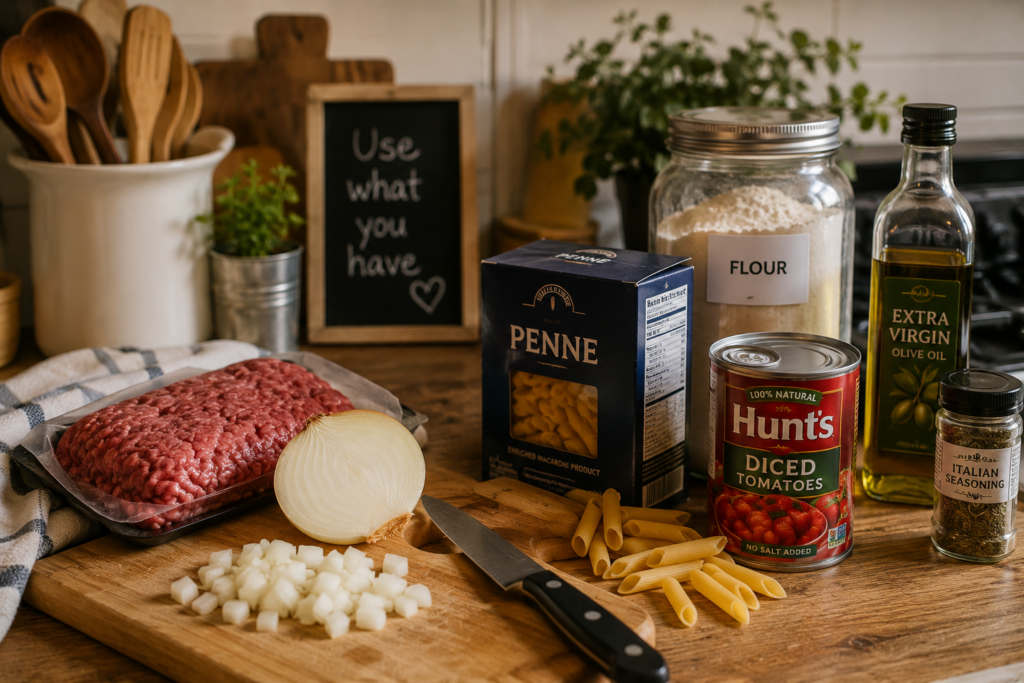
One of the easiest ways to reduce grocery costs is to stop meal planning backwards.
Many people:
- find recipes
- create a grocery list
- buy everything needed
But practical meal planning works differently.
First:
- check the freezer
- check the refrigerator
- check the pantry
Then fill in the gaps.
This simple habit keeps food moving through the house instead of expiring in the back of the refrigerator.
For example, instead of immediately running to the store for a full recipe, a quick check of the house might reveal:
- frozen ground beef in the freezer
- potatoes starting to soften
- frozen green beans
- broth and seasonings already in the pantry.
That easily turns into a sheet pan dinner or simple chicken soup using food that may have otherwise been forgotten.
Practical meal planning is often less about finding new recipes and more about learning how to combine what you already have into simple meals your family will actually eat.
In my own kitchen, I keep a simple meal calendar on my fridge and check it every morning so I know what meat needs to come out to thaw for dinner. It reduces decision fatigue, cuts down on last-minute takeout, and helps the week run more smoothly.
Simple systems matter more than complicated systems you never use.
Food Waste Is Grocery Waste
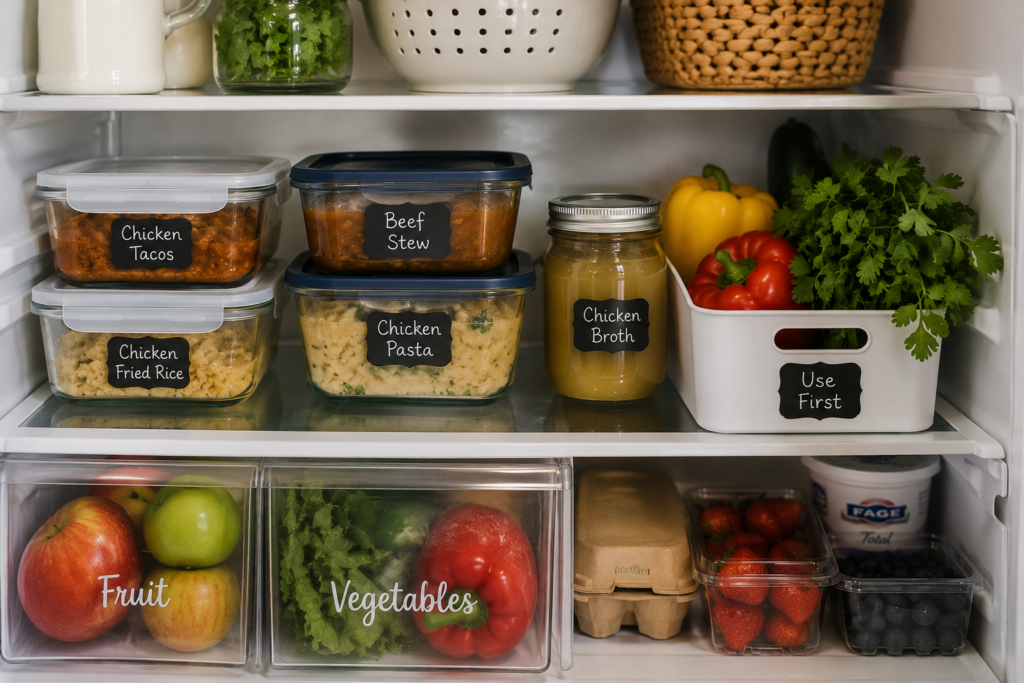
Throwing food away is one of the fastest ways to quietly drain a grocery budget.
Many families focus heavily on saving money at the store while unintentionally wasting food at home.
Practical homemaking means paying attention to what needs to be used first.
A few simple habits can make a major difference:
- keep a visible “use first” section in the refrigerator
- turn leftovers into lunch
- freeze extra portions before they spoil
- cook produce before buying more
- plan meals around ingredients that need to be used up.
Food is expensive now.
Using what you already purchased wisely matters just as much as finding good sales.
Learn 10-15 Reliable Family Meals
One of the biggest grocery budget mistakes is treating every dinner like a brand-new event.
Most well-run kitchens rely on a core of dependable meals the household genuinely enjoys.
These are often simple meals like:
- soups and stews
- casseroles
- chili
- sheet pan dinners
- skillet meals
- pasta dishes
- roasted chicken
- homemade pizza
- baked potato nights
- breakfast-for-dinner
The goal is not eating boring food.
The goal is to create repeatable meals that are affordable, comforting, and realistic, for everyday life.
When families have reliable meals they can fall back on, grocery stress drops dramatically.
Convenience Foods Quietly Raise Food Costs
Not every convenience food is bad.
There are seasons where shortcuts help tremendously.
But many households are discovering that constantly relying on:
- takeout
- individually packaged snacks
- meal kits
- heavily processed foods
- impulse grocery purchases
can push food budgets much higher than expected.
Time has become part of the food budget.
Learning a few basic kitchen skills again can make a major difference:
- cooking larger batches
- using leftovers for lunch
- making soups and stews from simple ingredients
- baking basic breads and muffins
- turning one roast chicken into multiple meals
- preparing ingredient a head of time
Simple homemade food is often far more affordable than people realize.
Smart Meal Planning Requires Intention
A well-fed home usually does not happen by accident.
Food does not magically organize itself.
Meals do not plan themselves.
Kitchens function better when someone consistently pays attention to what is running low, what needs to be used up, and what meals realistically fit the week ahead.
This does not require perfection.
It requires intention.
Even 15-20 minutes spent planning meals before grocery shopping can reduce waste, lower stress, and prevent expensive last-minute food decisions later in the week.
A well-fed home is usually the result of consistent attention, not luck.
Protect Your Energy Too
Smart meal planning should make life easier, not harder.
This is not spending all day cooking elaborate meals.
A practical kitchen allows for:
- leftovers
- freezer meals
- simple dinners
- repeated meals
- easy breakfasts
- realistic schedules
The goal is not perfection.
The goal is stability.
A calm, functional kitchen can reduce stress during expensive times because the household is not constantly operating in emergency mode around food.
Start Here This Week
If rising food prices feel overwhelming, start small.
This Week:
- plan five dinners before shopping
- cook from your freezer twice
- buy one extra pantry staple on sale
- use leftovers up
- keep a running grocery list
- learn one inexpensive meal your family genuinely enjoys
Small systems repeated consistently often matter more than dramatic changes that never last.
Join the Home Journal
If you enjoy simple, practical homemaking for real life, join the Home Journal.
Each week I share:
- practical homemaking tips
- realistic meal ideas
- grocery and kitchen startegies
- encouragement for creating a calmer, more functional home
- simple ways to live without overspending
Because a well-run home is rarely built through perfection. It is built through small practical habits repeated over time.
A Well-Fed Home Does Not Require Perfection
You do not need a designer pantry, gourmet ingredients, or a Pinterest-perfect kitchen to feed your family well.
You just need practical systems that you incorporate and actually do.
You need simple meals that your family will actually eat.
You need pantry ingredients that work together.
And most of all, you need the willingness to manage your kitchen intentionally instead of reacting to to every rising food bill with frusteration.
Rising food prices are forcing many families to relearn skills that once felt ordinary:
- cooking at home
- planning ahead
- using what you have
- wasting less
- building a pantry slowly over time
These are not outdated homemaking habits.
They are modern survival skills for a stable home and less stressful life.
I sincerely hope these tips help you and your family grow and have peace in your home. I’ve been doing all these things for years and I couldn’t imagine not having a simple system like this in place to make getting dinner on the table every night less complicated.
from my hearth to yours,
Becky
Leave a Reply