
Practical steadiness in a season of rising prices
Last week I stood in the grocery store holding a bag of potatoes that cost nearly twice what it used to.
Not steak.
Not specialty food.
Potatoes.
Many families are quietly noticing the same thing right now. The cost of ordinary life has changed.
Groceries cost more than they did just a few years ago. Insurance premiums creep upward. Housing prices in many areas feel completely out of reach.
It can make people feel unsettled.
But protecting your household does not begin with panic.
It begins with clarity.
A capable home has never depended on perfect economic conditions.
It has always depended on thoughtful people inside it.
When Housing Feels Out of Reach
Housing has become one of the biggest pressures in the rising cost of living.
In many places, first-time buyers feel like the market has moved far beyond their reach. Others worry about maintaining the homes they already have.
But a stable household has never been defined by square footage or architectural perfection.
If you already own a home:
- Maintain it carefully
- Protect what you have
- Avoid unnecessary upgrades
- Build equity slowly and steadily
If you hope to buy someday:
- Strengthen your financial footing
- Be patient with the market
- Avoid rushing into unstable decisions
Homeownership can be valuable, but stability matters more than perfect timing.
When Everyday Life Gets Expensive
The cost of convenience has risen faster than the cost of basic living.
Restaurant meals.
Subscription services.
Frequent upgrades to phones, furniture, and appliances.
When those expenses quietly expand, households begin to feel squeezed.
But many families are discovering something surprising: when convenience spending is reduced, life is still comfortable.
Not extravagant – but stable.
Protecting your household often begins by lowering lifestyle pressure, not by dramatically increasing income.
Managing Higher Food Prices
Food is where many families feel the rising cost of living most clearly.
But the answer to higher grocery prices is not fear.
It is skill.
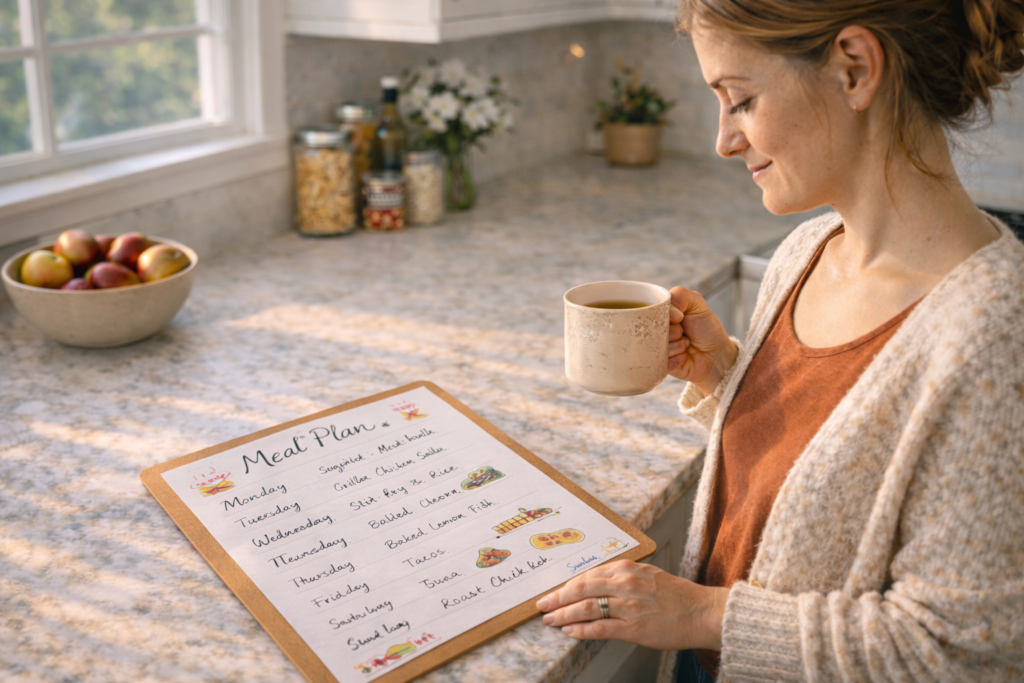
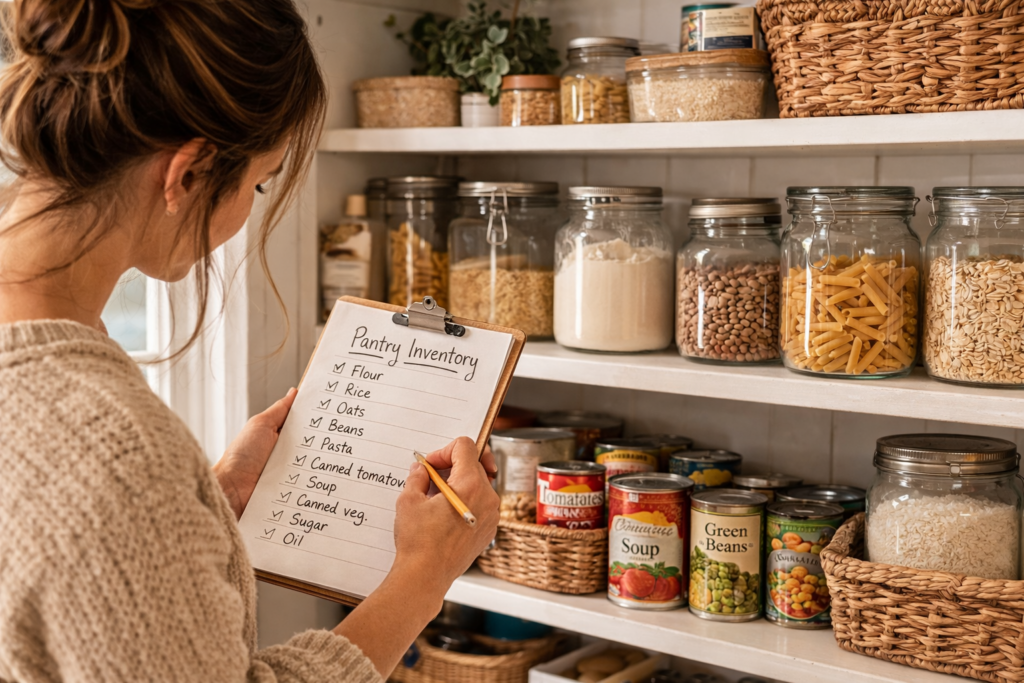
In my home, one of the most helpful habits has been keeping a stocked pantry and shopping grocery sales when they appear.
Instead of buying everything I need each week at full price, I slowly build up staple ingredients when thay are affordable.
Then when I plan meals, I start with what we already have on hand.
Often I only need to purchase a few ingredients to complete the meal.
That small shift changes the entire grocery experience.
A few habits make this easier:
- Keep pantry staples stocked
- Shop grocery sales and stock up gradually
- Plan dinners using ingredients you already own
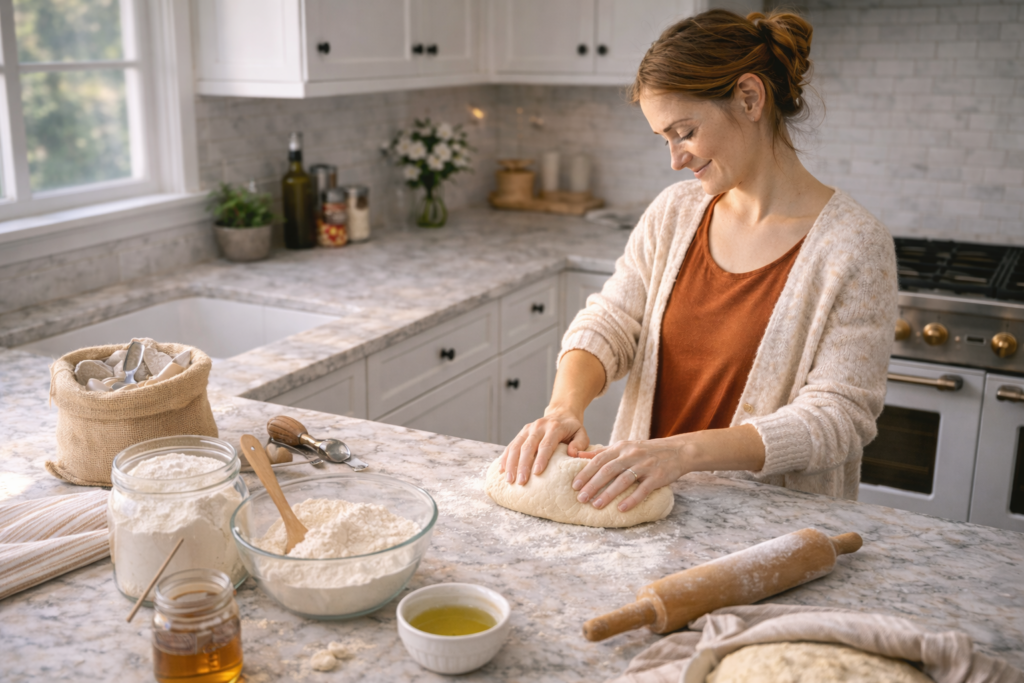
- Cook simple meals with real ingredients
- Stretch meat with soups, casseroles, rice, or beans
- Waste as little food as possible
The more comfortable you become cooking from basic ingredients, the less stressful grocery shopping becomes.
Skill lowers the pressure.
When Money Doesn’t Stretch Like It Used To
Another reality of the rising cost of living is that money simply buys less than it once did.
Households can respond to this in two ways:
By constantly trying to earn more.
Or by becoming more thoughtful about what they already have.
Many capable households quietly shift toward stewardship.
They:
- Maintain what they own
- Repair instead of replace
- Delay unnecessary purchases
- Choose durable items over trendy ones
This approach is not about deprivation.
It is about protecting long-term stability.
The Pressure to “Keep Up”
You may hear that $250,000 is the new $100,000 for a middle-class life.
In some expensive cities that may be true.
But income alone has never created stability.
Structure does.
A household with:
- A manageable mortgage
- little or no consumer debt
- home-cooked meals
- thoughtful spending habits
can feel remarkably steady even in uncertain times.
Meanwhile, a higher income paired with lifestyle inflation and heavy debt can still feel fragile.
Middle-class life was never meant to mean endless consumption.
Historically it meant stability.
10 Practical Ways Families Are Handling the Rising Cost of Living
Many households are quietly adjusting their habits to stay stable.
Some of the most effective changes include:
- Coking more meals at home
- Keeping a stocked pantry
- Shopping grocery sales
- Planning meals from what you already have
- Reducing convenience foods
- Canceling unused subscriptions
- Repairing items instead of replacing them
- Building a small emergency fund
- Delaying large purchases
- Choosing durability over trends
None of these changes are dramatic on their own.
But together they create resilience.
Protecting the Household Itself
The deeper shift happening in many homes right now is a return to capability.
Cooking instead of constant takeout.
Maintaining a home instead of endlessly upgrading it.
Learning practical skills that make everyday life easier.
It depends on the people inside the home.
When skill replaces convenience, stability grows.
Final Thoughts
This season may require more intention.
More cooking.
More planning.
More restraint.
But it does not require panic.
A steady home has never depended on perfect economic conditions.
It has depended on capable people who know how to care for what they have.
Protect your household with calm decisions and steady habits.
Skill, patience, and thoughtful living are stronger than economic uncertainty.
Explore the Homemaker’s Skill Book
This article is part of the Homemaker’s Skill Book, a growing collection of practical skills for building a capable steady home.
Inside the Skill Book you’ll find guidance on:
- Running a household efficiently
- Managing food and pantry systems
- Maintaining the home you already have
- Developing the everyday skills that create stability
If you’re interested in learning the traditional skills that help households stay strong in changing times, explore more articles form the Homemaker’s Skill Book series.
These are practical skills meant to be used, practiced, and passed on.
Because a well-run home has always been one of the strongest foundations fora stable life.
Leave a Reply